










Path of Exile Labyrinth Guide: Trials, Izaro, and Ascendancy Progression

Path of Exile Labyrinth Guide: What It Is and Why It Matters
The Labyrinth is one of Path of Exile's most important progression systems because it unlocks Ascendancy points. For many builds, that means the Labyrinth is not optional side content but a major power spike that shapes how the character performs through the campaign and into endgame.
It is also one of the few systems in the game that tests more than raw damage. Trap handling, movement, flask discipline, and boss awareness matter just as much as your tooltip output.
The Labyrinth rewards preparation more than brute force. A stable build with reliable movement and recovery usually performs better than a fragile character with slightly higher damage.
The Four Labyrinth Tiers
Path of Exile uses multiple Labyrinth difficulties that gradually unlock your Ascendancy progression.
- Normal Labyrinth: the first step and the point where most characters choose an Ascendancy class.
- Cruel Labyrinth: a harder version that adds another chunk of Ascendancy power.
- Merciless Labyrinth: raises trap pressure and punishes weak preparation more severely.
- Eternal Labyrinth: the highest standard tier, often called Uber Lab by players, and the last major Ascendancy checkpoint.
The exact timing of each run depends on your build, but the overall goal stays the same: enter when your defenses, damage, and movement are good enough that you can finish cleanly instead of forcing repeated deaths.
How Access Works
To unlock Labyrinth progression, you complete Trials during the campaign and, later, endgame content. The first Labyrinths are tied to story progress, while the Eternal Labyrinth requires the appropriate access item and stronger overall character readiness.
What matters most for beginners is not memorizing every location by heart, but understanding the sequence: complete the required Trials, enter the matching Labyrinth, defeat Izaro, then claim your Ascendancy points.
What Makes the Labyrinth Different
Unlike ordinary map or campaign routing, the Labyrinth mixes navigation, traps, side rooms, and repeated Izaro encounters inside the same run. That creates pressure on several parts of your build:
- Movement: slow characters lose time and take more trap damage.
- Recovery: good flask management and dependable sustain matter a lot.
- Single-target damage: Izaro becomes much easier when phases end quickly.
- Awareness: standing still carelessly is punished harder here than in many normal zones.
The Labyrinth layout changes regularly, so the safest evergreen advice is to focus on universal fundamentals rather than memorizing one route forever.
How to Prepare Before Entering
- Bring a movement skill that feels natural for your build.
- Use flasks with practical utility, not only damage bonuses.
- Make sure your life or energy shield pool is not lagging behind your progression stage.
- Do not ignore resistances and basic defenses just because the content is campaign-related.
- Enter with a single-target setup that can handle Izaro without a long, messy fight.
Many Labyrinth failures come from impatience, not from a lack of damage. If traps keep draining you between fights, improve recovery and movement before forcing another run.
Beating Izaro More Consistently
Izaro is the centerpiece of the Labyrinth and a boss that rewards controlled execution. You do not need a perfect speedrun approach. You need clean movement, enough damage to end phases efficiently, and enough discipline to avoid turning simple mechanics into chaos.
Characters that struggle with Izaro usually have one of three problems: not enough damage to shorten the fight, poor flask timing, or weak positioning during pressure moments. Fixing any one of those often improves the run immediately.
Optional Rooms, Keys, and Side Rewards
The Labyrinth can include optional encounters, treasure opportunities, and side objectives. These can be worthwhile, but they are not always worth the risk during early progression. If your main goal is Ascendancy power, finishing the run safely matters more than squeezing out every possible extra reward.
That is especially true for newer players. A successful clear with points gained is more valuable than an overambitious run that ends before the final reward room.
Common Beginner Mistakes
- Entering too early with weak defenses.
- Ignoring movement speed and trap avoidance.
- Using boss damage setups that feel fine in campaign zones but collapse on Izaro.
- Trying to full-clear optional content before the build is ready.
- Panicking during trap sections and wasting flask charges.
Final Takeaway
The Labyrinth is a core progression step in Path of Exile, not just a side challenge. Once you treat it as a preparation check for movement, recovery, and boss control, it becomes far more manageable. Build for consistency first, collect your Ascendancy points, and only then start optimizing for faster or greedier runs.
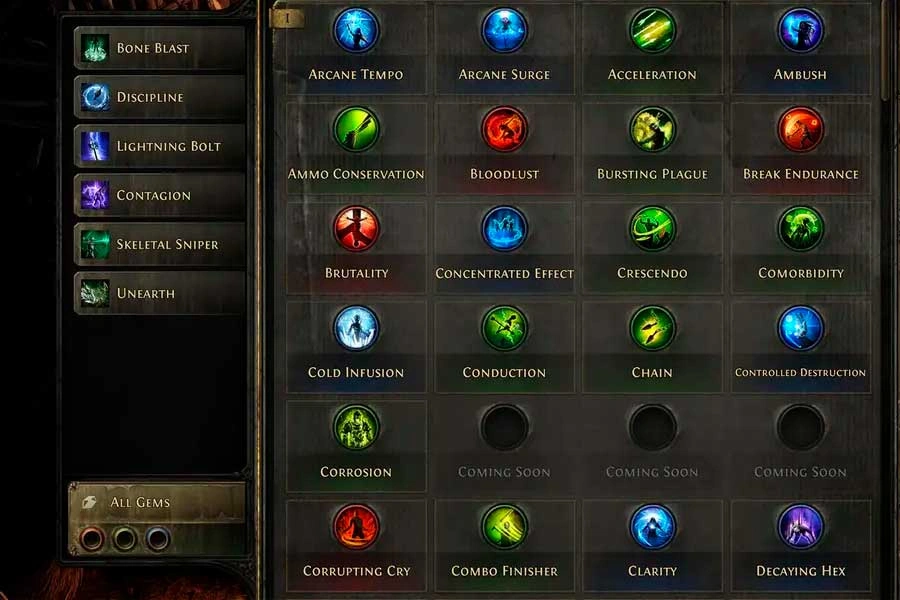
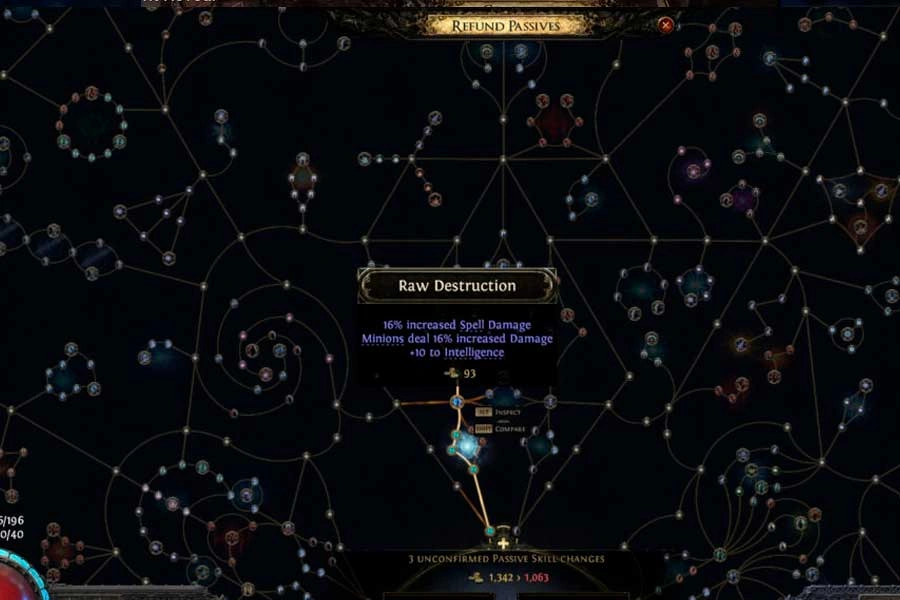
For related progression help, see our guides on classes and Ascendancies, active skill gems, respeccing the passive tree, and fast leveling through the campaign.


New Comment
Only authorized users can post reviews.
Login