






Path of Exile Active Skill Gems Guide for New Players
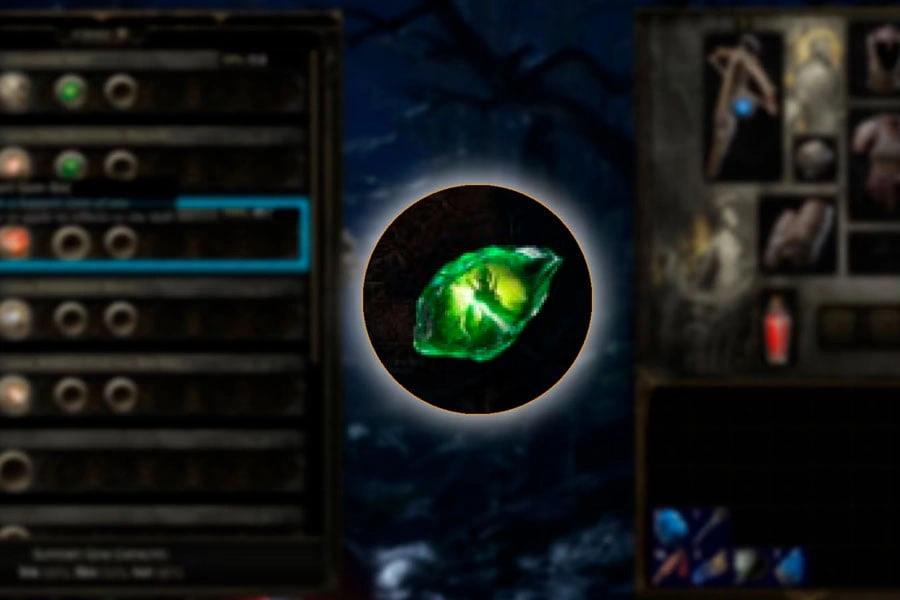
Path of Exile Active Skill Gems Guide for New Players
Active skill gems are the real starting point of most Path of Exile builds. Your class influences where you begin on the passive tree, but your moment-to-moment gameplay is usually decided by the gem setup you socket, link, and scale. If you misunderstand that, it becomes easy to pick a skill that looks exciting but does not actually fit your character.
The short version is simple: choose a main skill that matches your passive tree, your attributes, your gear direction, and the type of content you want to clear. Once those pieces line up, the build feels coherent. When they do not, even a strong-looking idea can become awkward fast.
A skill gem is not just an ability button. It is the center of your scaling plan: damage type, delivery method, support links, resource needs, and gear priorities all flow from it.
What Active Skill Gems Actually Do
Active skill gems grant usable abilities when socketed into appropriate gear. These can be attacks, spells, movement skills, summons, utility tools, or other mechanics that define how the character plays.
That is why Path of Exile offers so much build flexibility. A class is not locked into one permanent combat role. In practice, the identity of a build comes from the interaction between the chosen skill gem, its support links, the passive tree, and the item base supporting it.
What Changes When You Choose a Main Skill
- Your scaling path: spell, attack, minion, projectile, hit-based, damage-over-time, or another route.
- Your gear needs: weapons, sockets, links, attributes, and often specific defensive tradeoffs.
- Your support package: the main skill only comes alive once suitable support gems are attached.
- Your play pattern: clear speed, boss pacing, movement, safety, and positioning all change with the skill.
This is why picking a main gem first and building around it usually works better than choosing random damage nodes and hoping a skill will fit later.
Gem Colors, Attributes, and Requirements
- Red gems usually align with Strength-based requirements and more physical, melee, or force-oriented themes.
- Green gems are usually tied to Dexterity-based requirements, speed, projectiles, or agility-focused mechanics.
- Blue gems usually align with Intelligence-based requirements and many spell-oriented setups.
These colors are not class locks. They are requirement signals. You can cross those boundaries, but doing so comfortably usually requires planning through attributes, socket colors, and gear choices.
A skill can be “usable” on paper and still be a bad fit in practice if your character constantly struggles with attribute requirements, mana cost, or socket pressure.
Why Support Links Matter So Much
Active skill gems rarely feel complete on their own. Support gems are what turn a basic skill into a proper build engine by improving damage, coverage, speed, utility, or resource efficiency.
That is why link count matters so much during progression. A well-supported skill on a modest setup usually feels stronger and smoother than a theoretically better skill in a bad link arrangement.
How Gem Levels Affect Your Build
As a gem gains experience, it can level up. Higher gem levels often improve output, but they can also increase attribute requirements, mana cost, or other demands on your setup.
Because of that, auto-leveling every gem is not always correct. Sometimes a build keeps a gem at a lower level for a while because the extra cost would hurt uptime or the new attribute requirement would break the setup.
How to Choose the Right Main Skill
A practical choice comes from checking four things before you commit:
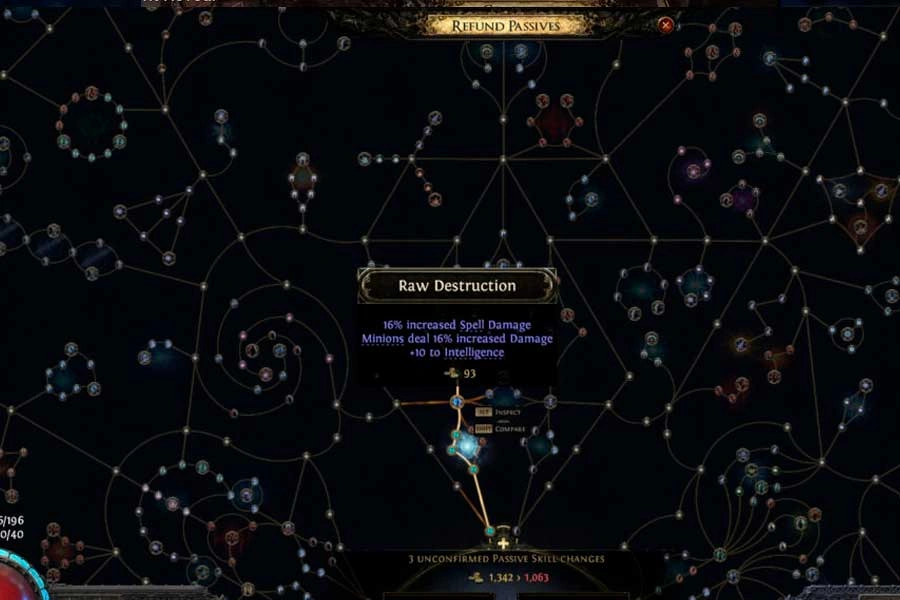
- Does your passive tree support it? A spell gem wants spell-friendly scaling. An attack gem wants the right weapon and attack scaling.
- Can your gear support it? Socket colors, links, and attributes should not be constant pain points.
- Does it suit your content goal? Some skills feel better for mapping, others for bossing, others for smooth campaign progression.
- Can you actually play it comfortably? Resource cost, cast time, targeting style, and survivability all matter.
The strongest skill is not the one with the best reputation in isolation. It is the one your current character can scale cleanly and play reliably.
When Players Usually Get New Gems
Active skill gems normally come from quest rewards, vendors, and standard character progression. Early setups often feel incomplete, which is why judging a build too early can be misleading. Many characters only start to feel “correct” once the main skill and its support shell are finally assembled.
That is especially important for new players. If the build feels strange in the first acts, the issue may not be the concept itself—it may simply be that the correct links and supporting pieces are not in place yet.
Common Mistakes with Active Skill Gems
- Choosing a skill that does not match the tree or gear direction.
- Ignoring attribute and socket constraints until the setup becomes clumsy.
- Underestimating support gems and focusing only on the base skill name.
- Leveling gems automatically when the build cannot yet support the added cost.
- Trying to force too many unrelated skills into one character plan.
Final Takeaway
In Path of Exile, active skill gems are not a side detail. They are the center of build planning. Once you understand what a gem does, how it scales, what kind of support setup it needs, and whether your character can actually sustain it, the rest of the build becomes much easier to shape correctly.
For related planning help, see our guides on classes and Ascendancies, the Labyrinth, passive tree respecs, and fast leveling.


New Comment
Only authorized users can post reviews.
Login