






How to Choose Equipment by Tank Type in World of Tanks
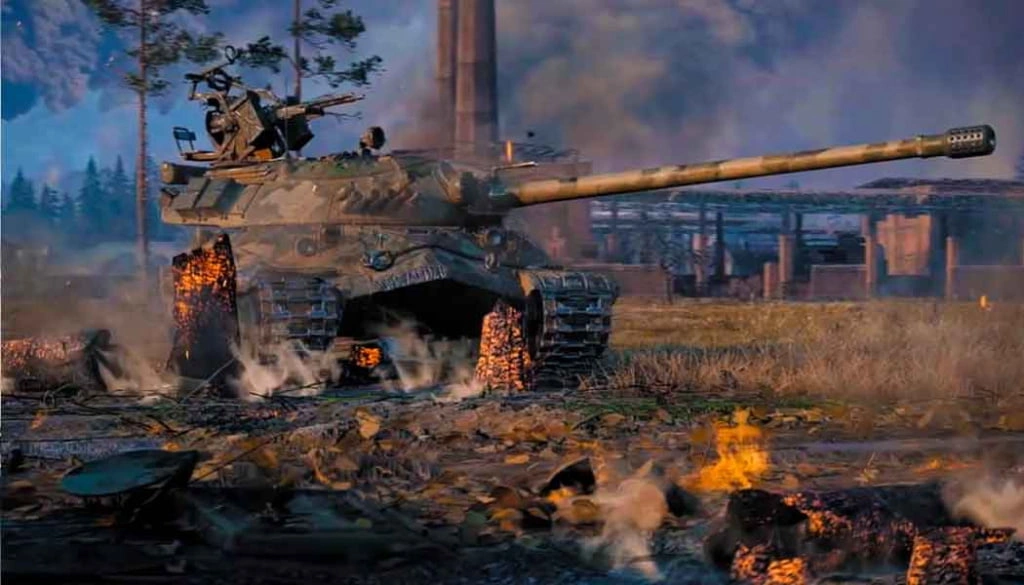
Equipment in World of Tanks is strongest when it reinforces what a vehicle is already trying to do. That sounds obvious, but many players still treat equipment like a universal checklist: put the same three modules on every tank and hope the tank becomes good. In practice, equipment works much better when it is chosen around role, map expectations, gun behavior, survivability needs, and the slot category the vehicle actually receives.
The good news is that the current system makes this easier to understand once you stop thinking only in terms of “best item overall.” World of Tanks equipment is divided into categories such as Firepower, Survivability, Mobility, and Scouting, and from Tier VI upward the first slot usually rewards equipment that matches the vehicle type’s specialization. That means the best setup is often the one that fits both the tank’s role and its bonus slot.
The best equipment loadout is usually the one that solves your tank’s biggest real problem first, then strengthens the role the tank is actually meant to play.
How the Current Equipment System Works
World of Tanks equipment is grouped into four main categories for standard equipment: Firepower, Survivability, Mobility, and Scouting. Some pieces, such as Improved Rotation Mechanism, affect more than one category, while Improved Ventilation interacts broadly across all four. From Tier VI onward, the first slot usually has a specialization based on vehicle type, which increases the bonus if you place matching equipment there.
- Light tanks: Scouting slot
- Medium tanks: Mobility slot
- Heavy tanks: Survivability slot
- Tank destroyers and SPGs: Firepower slot
This matters because the same module can feel merely good in one slot and clearly optimal in another. Building around that specialization is one of the simplest ways to get more value from the current equipment system.
What Matters More Than the Tank Class Name
Before choosing modules, ask one simple question: what job does this specific vehicle actually perform in battle? A stealth TD and an assault TD do not want the same setup. A vision light and a combat light do not want the same setup. A hull-down heavy and a mobile support heavy do not always want the same setup either.
That is why tank role matters more than class label alone. Equipment should sharpen the vehicle’s real battlefield identity, not a generic category.
Copying one famous setup onto the wrong vehicle is one of the fastest ways to waste equipment slots. Equipment works best when it matches how the tank actually creates value.
Recommended Equipment Logic for Light Tanks
Light tanks usually need one of two setup directions:
- Vision-first lights: prioritize view-range and scouting support, then add mobility or handling that helps the tank survive while spotting.
- Combat lights: blend scouting value with gun reliability and movement support instead of treating the tank like a pure passive scout.
On many light tanks, the Scouting slot makes view-range equipment especially attractive. But that does not mean every light tank should always be built as a pure spotter. If the vehicle is usually more effective as an active pressure tank, then mobility and gun comfort may create more real value than vision stacking alone.
Recommended Equipment Logic for Medium Tanks
Medium tanks are the most role-dependent class in the game, so they often need the most thoughtful loadouts.
- Flexible support mediums: usually benefit from better gun handling, reload support, and movement-related consistency.
- Ridge or pressure mediums: often want stronger firing comfort and the ability to reposition quickly.
- Stealthier mediums: may get more value from view-range or concealment-friendly logic depending on how they are played.
The Mobility slot often makes movement-related equipment especially efficient on mediums, but the correct final setup still depends on whether the vehicle wins through tempo, ridges, support fire, or hybrid map control.
Recommended Equipment Logic for Heavy Tanks
Heavy tanks usually care most about surviving trades cleanly, recovering from track damage, and making their gun reliable enough to convert pressure into damage.
- Frontline heavies: often want survivability first, then gun reliability or reload value.
- More flexible heavies: may justify some mobility support if repositioning matters to the line.
- Superheavies: usually gain the most when the build strengthens durability and trade efficiency.
The Survivability slot often makes modules like Improved Hardening especially strong on heavies. In many cases, a heavy tank becomes more valuable not because it fires more often, but because it survives and controls space longer.
Recommended Equipment Logic for Tank Destroyers
Tank destroyers should usually be split into two families before you choose any setup.
Stealth TDs
These vehicles usually want firepower and vision-friendly value without sacrificing concealment logic. Good loadouts often improve accuracy, aim behavior, or view control while preserving the tank’s ability to stay hidden and punish mistakes.
Assault TDs
These vehicles care much more about survivability, controlled aggression, and gun comfort under pressure. Firepower-slot bonuses are still useful, but the setup should reflect that the tank is expected to fight under direct threat rather than only from distance.
This is why the same TD class can justify very different builds. The class label alone is not enough.
Recommended Equipment Logic for SPGs
SPGs usually value firepower consistency, aim behavior, and staying safe long enough to keep contributing. Firepower-slot synergy is naturally strong here, but the build still needs to reflect how the artillery piece is actually being used.
- Consistency-focused SPGs: often want aim and reload support first.
- More vulnerable SPGs: may justify extra survivability or situational protection if collapse risk is a regular problem.
The important part is not to overload artillery with modules that sound useful in theory but do not improve real battle contribution.
Common Equipment Mistakes
- Using one generic setup for an entire class.
- Ignoring the first-slot category bonus.
- Building for theoretical peak output instead of repeatable value.
- Forgetting that survivability and mobility can create more damage over time than one extra pure firepower choice.
- Confusing vehicle identity and forcing the tank into a role its loadout does not actually support.
A strong loadout should make the tank easier to play well, not simply more impressive in the garage.
How to Make Better Equipment Decisions Faster
A useful shortcut is this: first decide whether the tank wins through vision, tempo, trading, punish fire, or survival under pressure. Then choose equipment that strengthens that exact path. Once you start thinking this way, equipment becomes much easier to understand and much harder to waste.
If you want to round this out properly, pair equipment with the right crew skills and role-appropriate ammo discipline. Equipment works best when the whole build points in the same direction.
Final Takeaway
The best equipment loadouts in World of Tanks are role-based, not copy-pasted. Lights, mediums, heavies, TDs, and SPGs all gain the most when the setup matches the vehicle’s real job and takes proper advantage of the current equipment categories and slot bonuses. Once you stop asking for one universal build and start asking what the tank actually needs, equipment choices get much stronger very quickly.
New Comment
Only authorized users can post reviews.
Login