










All Dota 2 Game Modes Explained: A Beginner-Friendly Guide

Dota 2 has more than one way to play, and that matters more than many beginners expect. The mode you choose affects match pace, drafting pressure, hero variety, the level of seriousness in the lobby, and even how quickly you build useful habits. A new player who jumps into the wrong queue too early can end up frustrated, while someone who starts in the right place usually learns faster and enjoys the game more.
This guide explains the main Dota 2 game modes in plain language, shows what each one is actually good for, and helps you decide where to start. Exact queues and special modes can change over time with client updates, but the core purpose of each category stays broadly the same.
Quick answer: if you are brand new, start with bots, private lobbies, or unranked All Pick. Use Turbo when you want faster games, and move into ranked only after you are comfortable with a small hero pool, basic map awareness, and the responsibilities of your role.
Table of Contents
- How Dota 2 Game Modes Work
- Lobby and Private Games
- Training with Bots
- Unranked Matchmaking Modes
- Ranked Matchmaking
- Battle Cup and Organized Play
- Which Mode Is Best for Beginners?
- Common Mistakes When Choosing a Mode
How Dota 2 Game Modes Work
At a high level, Dota 2 modes can be grouped into four practical buckets: private practice, bot games, public matchmaking, and organized competitive play. Thinking about them this way makes mode choice much easier.
- Private practice helps you learn controls, test heroes, or play with friends without public matchmaking pressure.
- Bot games help you practice last-hitting, spell usage, movement, and basic map flow in a lower-stress environment.
- Unranked public matchmaking gives you real matches without the full pressure of visible rank progression.
- Ranked and organized formats are for players who want more serious, performance-driven games.
The best mode is not the one that sounds most competitive. It is the one that matches what you are trying to improve right now.
Lobby and Private Games
Lobby mode is the most flexible way to control your environment. You can create private matches, invite friends, adjust settings, and use the space for testing or practice. This is especially useful when you want to remove matchmaking pressure and focus on one thing at a time.
Lobbies are useful for:
- testing heroes you have never played before;
- practicing mechanics with friends;
- running custom scrims or in-house matches;
- experimenting with settings, matchups, and map movement.
Lobbies are not the fastest way to learn real public-game decision-making, but they are excellent for controlled repetition. If you are trying to understand what your chosen role should actually do once the game starts, our guide on core and support roles in Dota 2 is a strong next step.
Training with Bots
Bot matches are the safest entry point for completely new players. They let you make mistakes without the social pressure of public teammates, and they give you room to learn basic mechanics that feel overwhelming in real games.
Bots are especially good for:
- learning movement, camera control, and item usage;
- practicing last-hits and denying;
- trying different heroes before committing to them in matchmaking;
- getting used to ability combos and cooldowns.
That said, bot games have limits. They do not teach human unpredictability very well, and they will not fully prepare you for real communication, lane pressure, or punishments for bad positioning. Think of bot games as a mechanical foundation, not as a replacement for real matches.
Unranked Matchmaking Modes
Unranked modes are where most players should spend their learning time before taking ranked seriously. You still face real opponents, but the environment is usually more forgiving than ranked, and the consequences of mistakes are lower.
All Pick
All Pick is usually the best all-around mode for learning actual Dota. You choose from the standard hero pool, play a normal-paced match, and experience the game in a format that resembles core Dota decision-making. For most beginners, this is the best long-term learning queue once bots stop being enough.
Turbo
Turbo is faster, looser, and easier to jump into when you want shorter games. It is great for trying heroes quickly and playing more matches in less time, but it can also teach slightly distorted habits because economy, timings, and comeback patterns are different from standard games.
Turbo is good for exposure and experimentation. It is less ideal as your only learning mode if your real goal is to improve at standard matchmaking or ranked.
Draft Variations and Experimental Modes
Depending on the client version and current queue availability, you may also see formats such as Single Draft, Random Draft, All Random, Ability Draft, or All Random Death Match. These modes are useful for variety, creativity, or forcing hero-pool flexibility, but they are not always the best place to learn stable fundamentals.
Use these modes when you want a different experience, not when you are trying to build your core understanding of lanes, map movement, and role discipline.
Ranked Matchmaking
Ranked is the serious competitive queue. It is where players care more about clean execution, drafting, consistency, and winning efficiently because ranked results affect visible progression through MMR and medals.
Ranked becomes useful when you already have:
- a small hero pool you trust;
- a working understanding of at least one role;
- basic map awareness and objective sense;
- enough experience that you are not still learning core controls in live games.
If you are still learning what rank actually represents, read our guide on rank and MMR in Dota 2. And if your real goal is not just to queue ranked, but to improve within it, our article on ranking up in Dota 2 will be more useful than simply knowing which button to press.
Warning: ranked is not the best first mode for beginners. If you enter too early, you usually learn under stress, reinforce bad habits, and make the game harder than it needs to be.
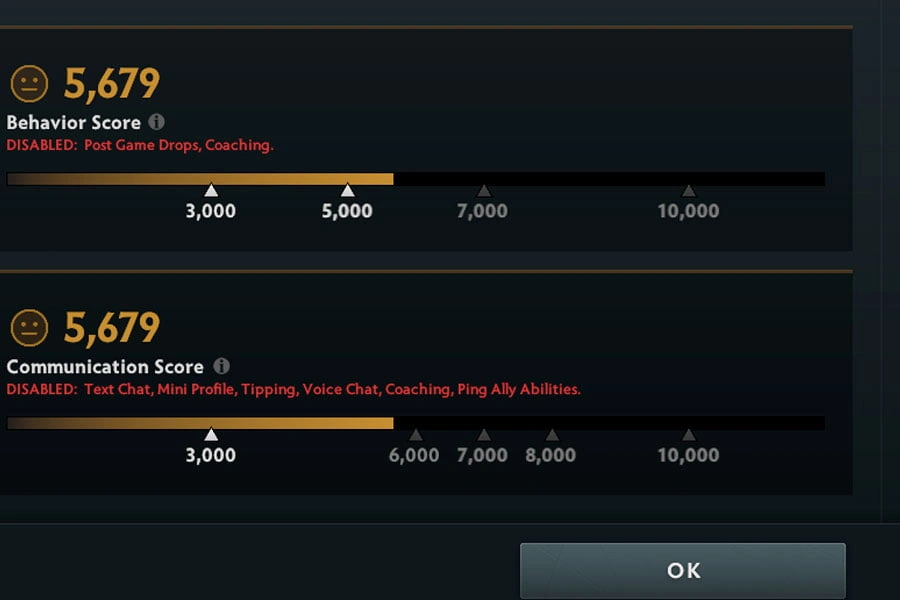
It is also worth remembering that your overall experience in competitive queues is affected by behavior and communication. If you play ranked often, our guide on behavior score in Dota 2 is worth reviewing too.
Battle Cup and Organized Play
If Battle Cup or similar structured tournament-style formats are available in your client, they are designed for premade teams that want a more organized competitive experience. These modes are much closer to stack-based coordination than ordinary solo matchmaking.
Organized play is best for players who already have:
- a group they communicate well with;
- some draft discipline and role clarity;
- the patience for more serious games with bracket pressure.
For complete beginners, this is usually not the first destination. For more experienced players, though, organized formats can be one of the most enjoyable ways to experience Dota because teamwork matters more and random chaos matters less.
Which Mode Is Best for Beginners?
There is no single answer for every player, but there is a very good progression path.
Start here if you are completely new:
- Use bots to learn basic controls and heroes.
- Use lobbies to test heroes or practice with friends.
- Move into unranked All Pick once you can handle a normal match flow.
Use Turbo when:
- you want faster games;
- you are testing a hero casually;
- you want repetition more than realism.
Use Ranked when:
- you are comfortable with several heroes;
- you understand the responsibilities of your role;
- you want serious games with progression attached.
For most new players, the best first “real” mode is unranked All Pick. It teaches the standard version of Dota without forcing you into the pressure of visible ranked progression too early.
Common Mistakes When Choosing a Mode
Many beginners do not struggle because Dota has too many modes. They struggle because they pick a mode that does not match their current goal.
- Starting ranked too early: this often turns every game into stress before the fundamentals are ready.
- Learning only through Turbo: faster games are useful, but they can blur normal timings and macro habits.
- Using bots for too long: bots help with mechanics, but they do not replace real players.
- Queueing experimental modes while trying to learn fundamentals: variety is fun, but standard Dota teaches the most transferable habits.
- Ignoring role basics: mode choice matters, but understanding what your hero is supposed to do matters even more.
The fastest improvement usually comes from matching the mode to the skill you actually want to build: bots for mechanics, unranked for real fundamentals, ranked for competitive growth, and organized formats for coordinated play.
Final Thoughts
Dota 2 game modes are not just menu options. They are learning environments. The right choice depends on whether you want to practice, experiment, compete, or just enjoy a lower-pressure game. Once you understand that, the menu becomes much easier to navigate.
If you are new, keep it simple: build confidence in bots or lobbies, learn the real shape of the game in unranked All Pick, and move into ranked when you are ready to take your decision-making more seriously. That progression is much healthier than forcing yourself into the hardest queue before the basics are stable.




New Comment
Only authorized users can post reviews.
Login